

What is Floor Marking Tape?
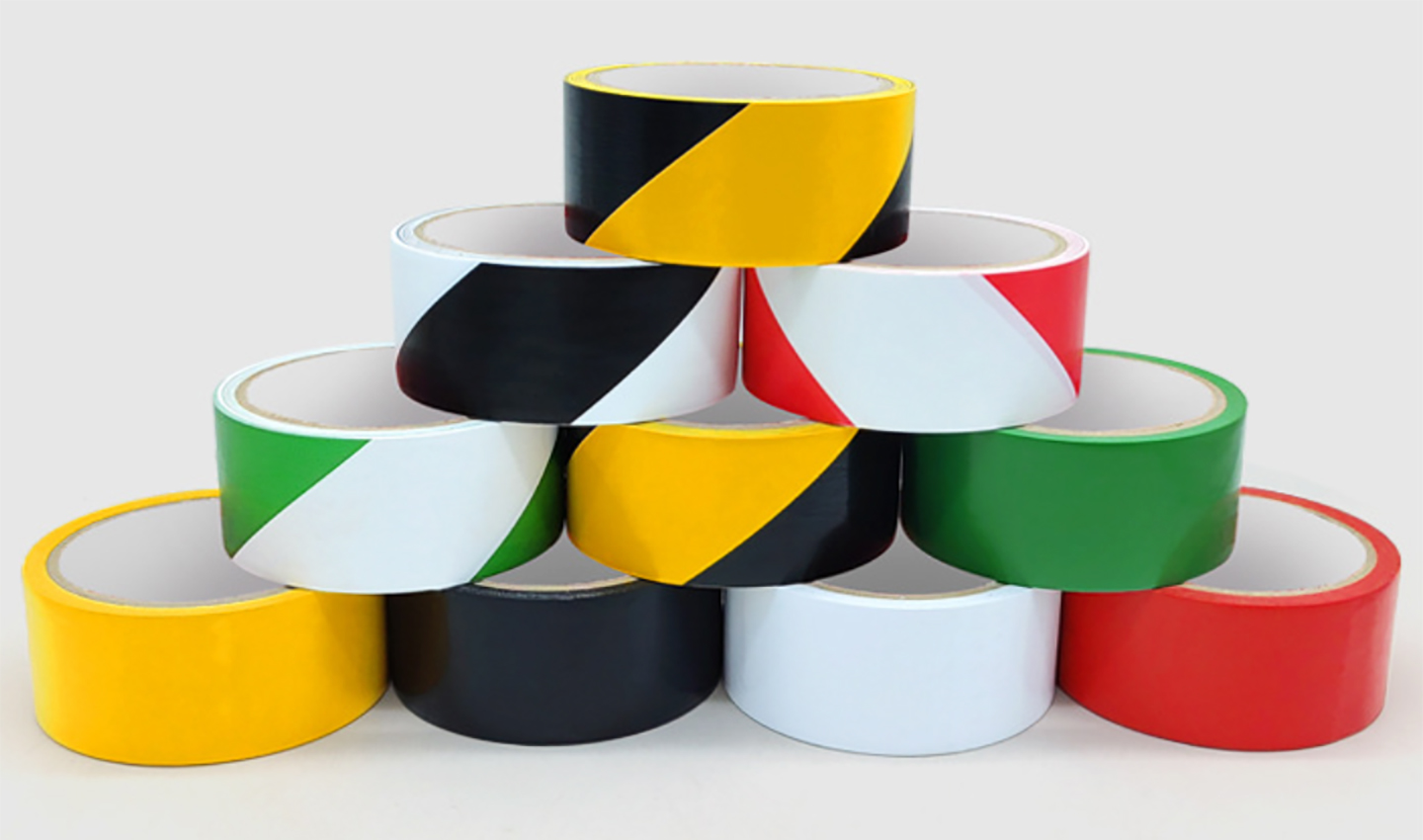
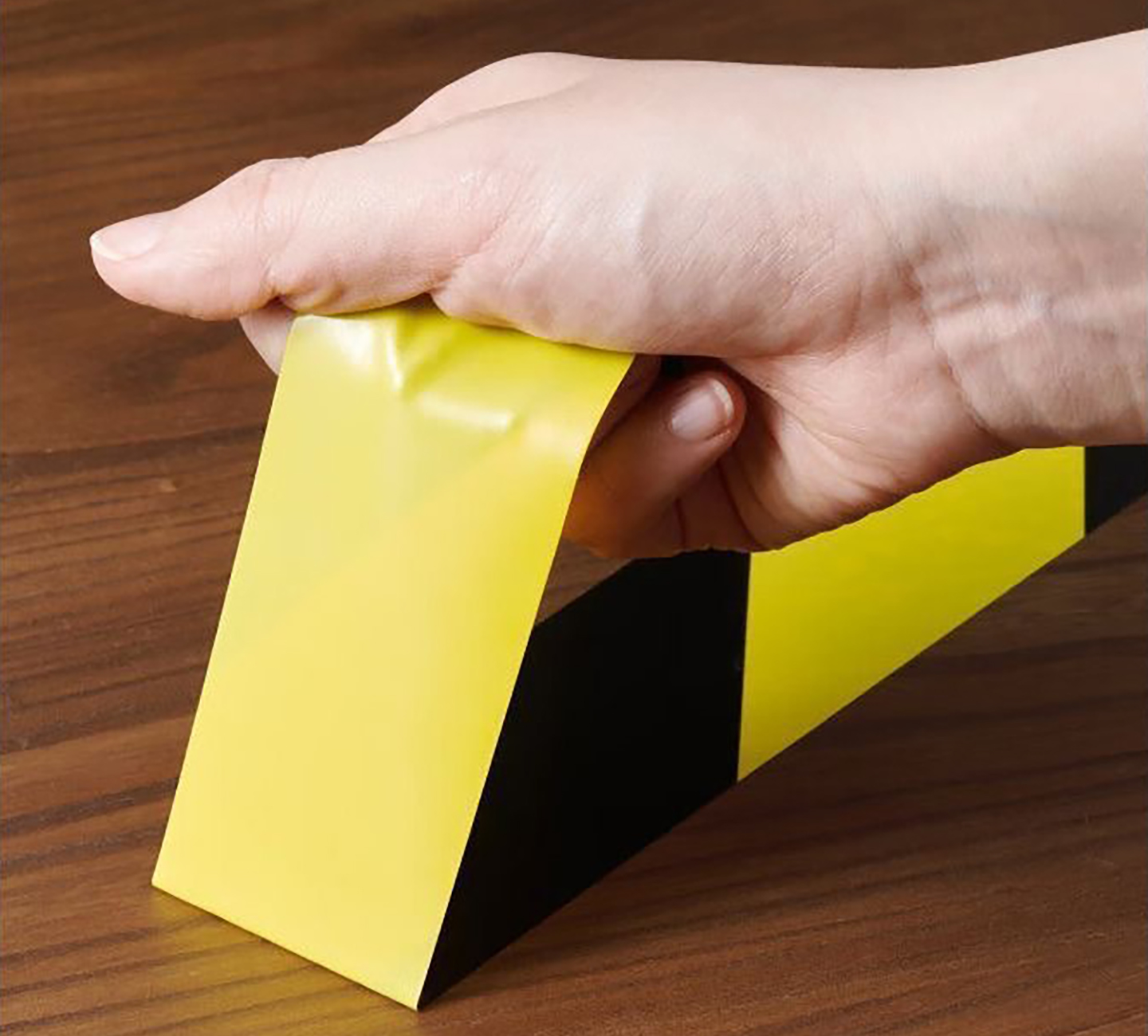
At its core, floor marking tape is a durable, adhesive-backed tape applied to floors in workplaces, warehouses, and public areas to communicate important information visually. It's a key component of 5S and visual workplace methodologies.
Think of it as the "lines on the road" for your facility. Just as road markings guide drivers, floor tape guides pedestrians, forklifts, and workflow, making spaces safer and more organized.
Primary Purposes and Uses
Floor marking tape serves several critical functions:
◉ Safety:
- Aisle Marking: Defines clear, safe walkways for pedestrians, separating them from vehicle traffic (like forklifts).
- Hazard Identification: Marks off dangerous areas, such as around machinery, electrical panels, or chemical storage.
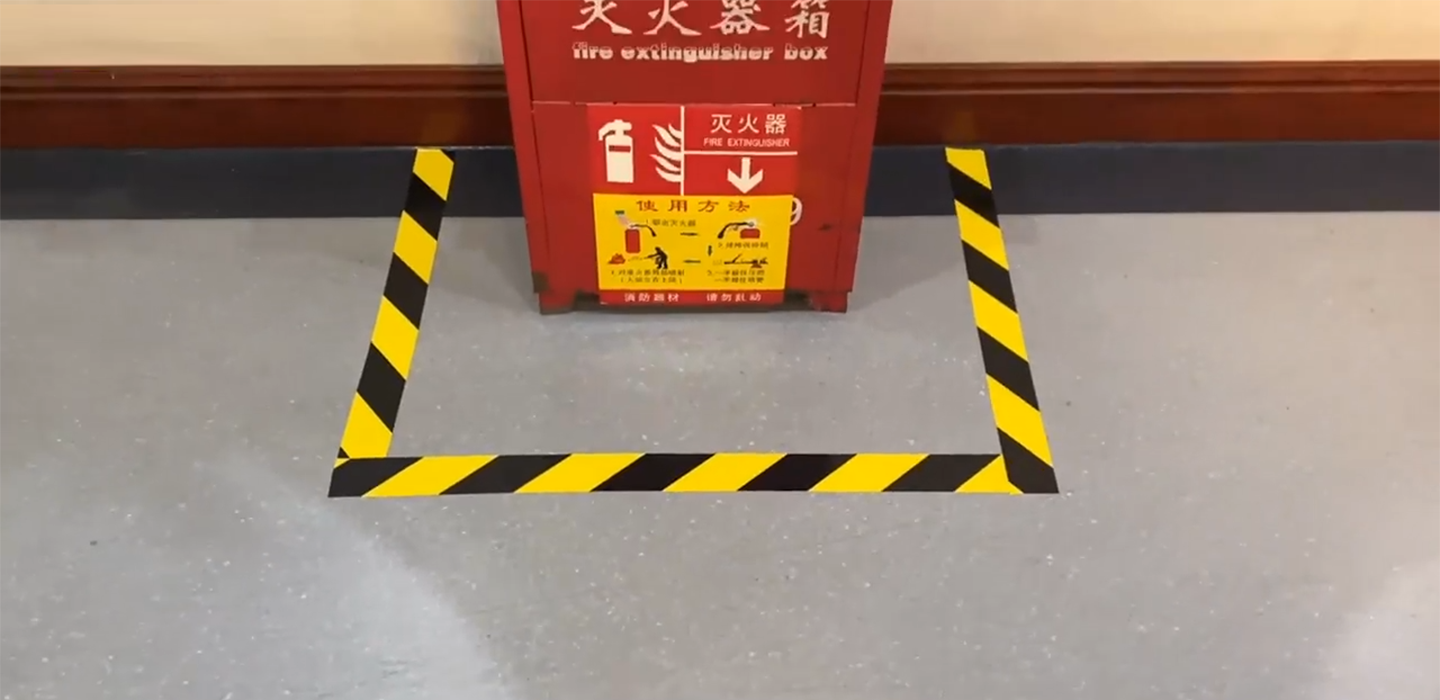
- Emergency Preparedness: Creates clear paths to exits, fire extinguishers, eyewash stations, and first-aid kits.
◉ Organization & Efficiency:
- Workspace Boundaries: Designates specific areas for different activities (e.g., "work-in-progress," "finished goods," "quarantine").
- Shadow Boards & Tool Locations: Outlines where tools, trash cans, pallet jacks, and other items should be stored.
- Traffic Flow: Directs the flow of vehicles and people to prevent collisions and congestion.
◉ Standardization:
- By using a consistent color and pattern system throughout a facility, everyone—employees and visitors alike—can instantly understand what the markings mean.
The Color Code Standard (A Key Feature)
While companies can create their own system, most follow the common standards recommended by organizations like the American National Standards Institute (ANSI) and the Occupational Safety and Health Administration (OSHA).
| Color | Typical Meaning & Use |
| Yellow | Caution & Aisle Markings. Marks physical hazards like tripping, stumbling, or falling. Defines aisles and walkways. |
| Red | Danger & Fire Safety. Identifies fire protection equipment (extinguishers, alarms), emergency stop switches, and defective tools. |
| Orange | Warning & Parts/Machinery. Marks the parts of a machine or equipment that may cut, crush, or otherwise injure. Often used for temporary warning. |
| Green | Safety & First Aid. Indicates the location of safety equipment, including first-aid stations, eyewash units, and safety showers. |
| Blue | Information & Raw Materials. Used to designate out-of-service equipment or to mark materials that are currently under inspection. |
| Black & White |
Housekeeping & Traffic Lanes. Defines storage areas, workstations, and general traffic lanes for pedestrians.
|
| Purple | Radiation Hazards. A newer color used to signify radiation hazards. |
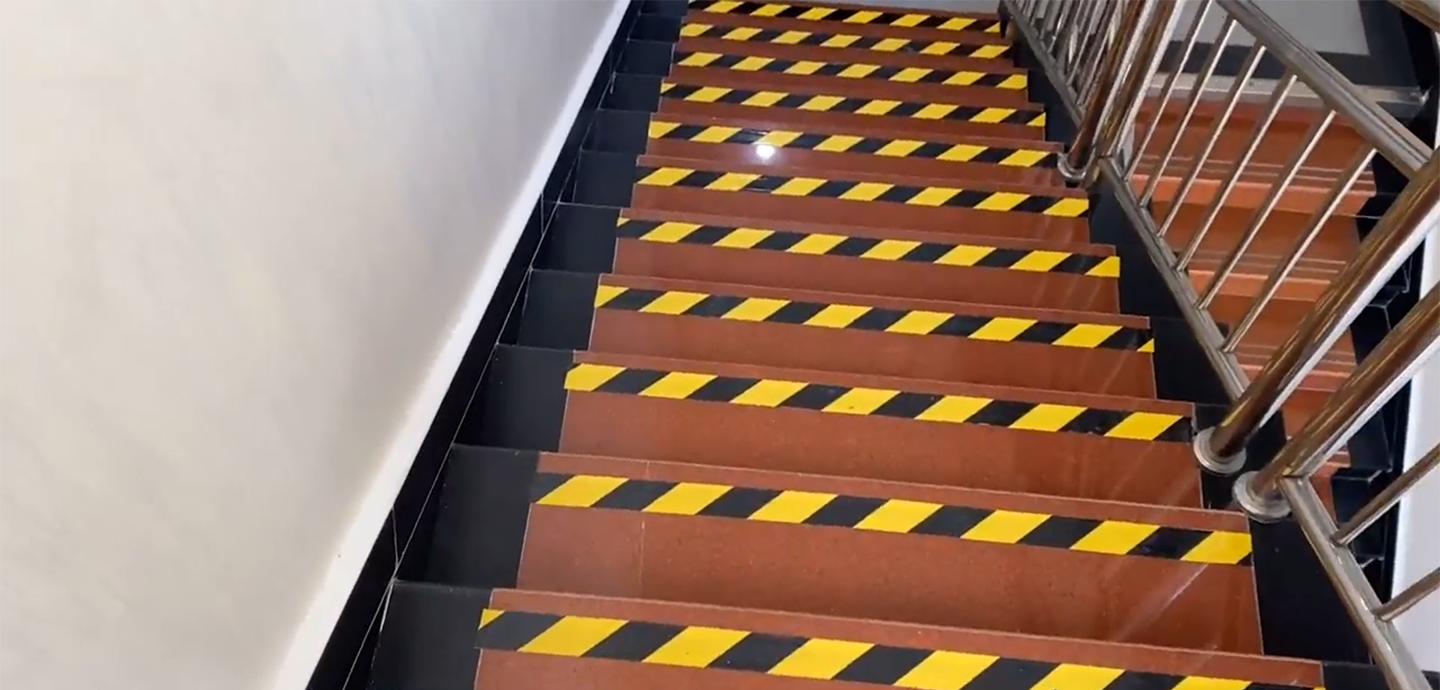
Note: Black and yellow diagonal stripes are almost universally used to mark permanent physical hazards that could cause tripping or falling, like low-hanging beams or the edges of platforms.
Summary
In short, floor marking tape is a simple, cost-effective, and powerful visual communication tool that enhances safety, improves organization, and boosts efficiency in any industrial, commercial, or warehouse setting.
Our company not only produces Floor Marking Tape, but also Acrylic Foam Tape,Anti Slip Tape,Reflective Tape,Butyl Rubber Tape,Pavement Marking Tape, Glow In Dark Tape, Aluminum Foil Tapes,etc,Looking forward to working with you.