

What is copper foil made of?
Copper foil is, unsurprisingly, primarily made of copper. However, its exact composition and manufacturing process are tailored to achieve specific properties for its intended use. Here's a detailed breakdown:
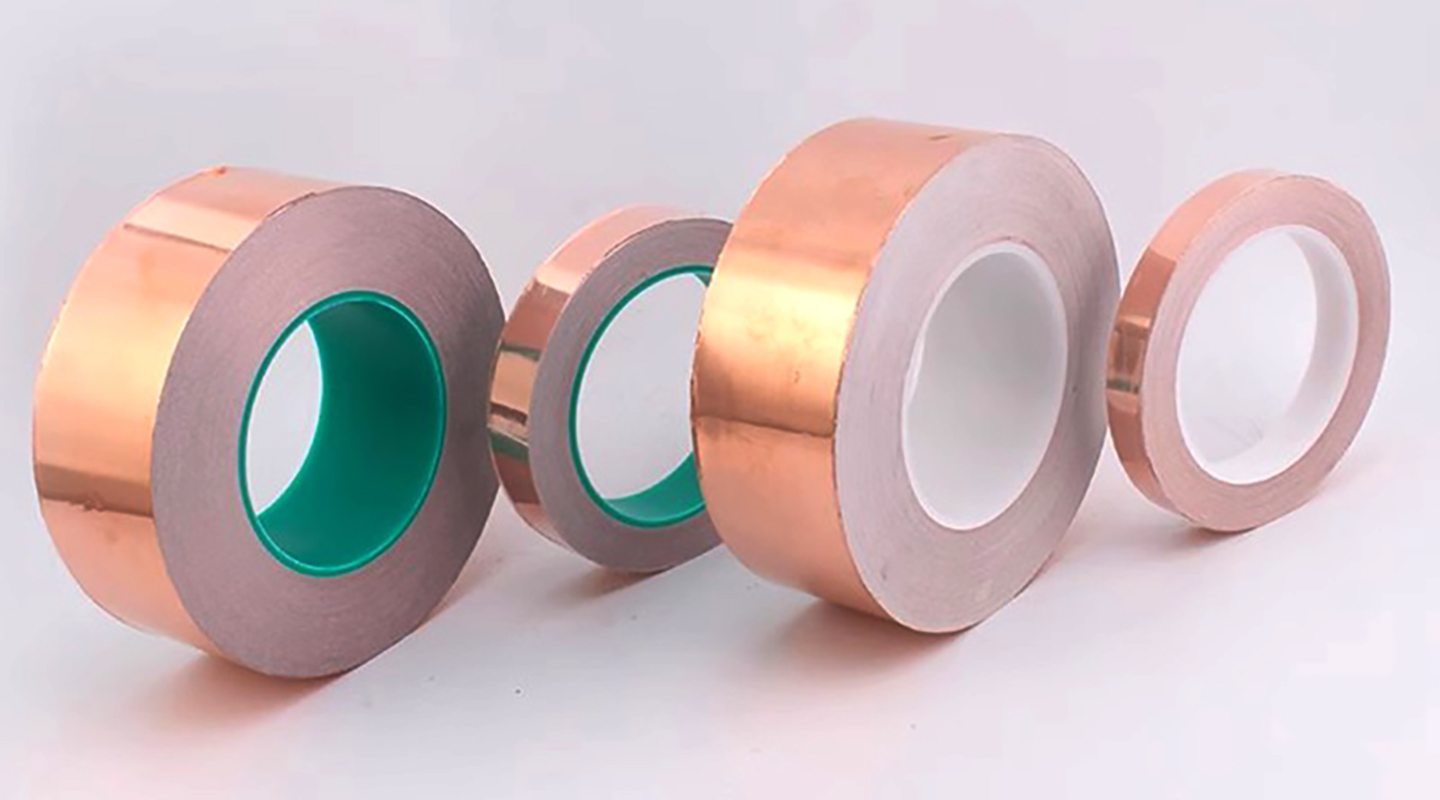
1. Core Material: Copper
◉ Purity: The base metal is typically high-purity, electrolytic copper with a purity of 99.8% to 99.99%. The high purity ensures excellent electrical conductivity.
◉ Key Alloying Additives: Trace amounts of other elements are sometimes added to enhance certain properties:
-- Zinc, Tin, or Nickel: Added in very small quantities (often less than 0.1%) to increase strength, anneal resistance (resistance to softening when heated), or corrosion resistance.
-- Common Example: ED copper foil (Electrodeposited) for PCBs often contains minute, controlled amounts of these elements to optimize performance for lamination and etching.
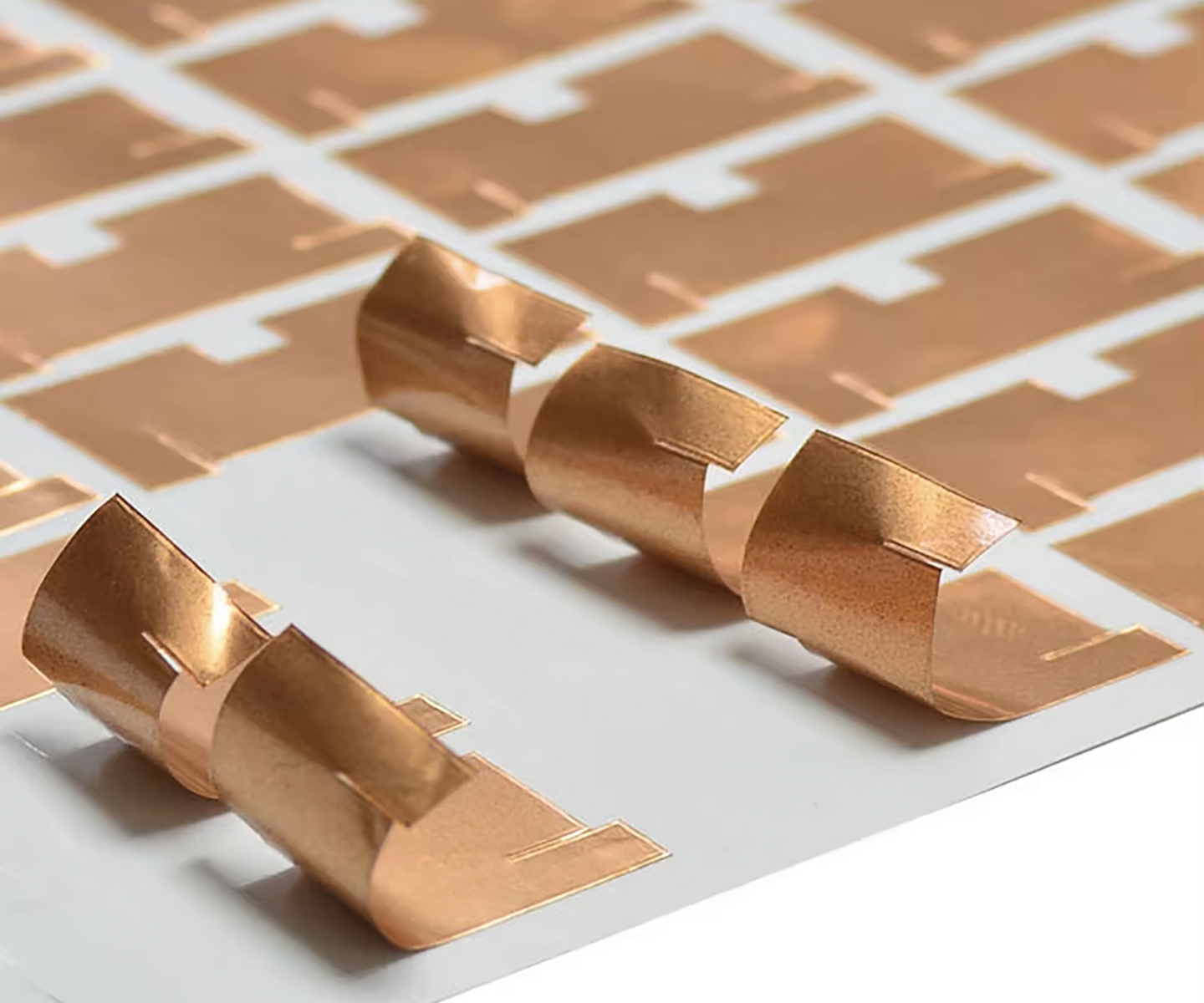
2. Manufacturing Processes (Which Define the Foil)
The production method is crucial and creates two main types of copper foil with slightly different structures:
◉ Electrodeposited (ED) Copper Foil:
-- How it's made: A rotating stainless steel drum is submerged in an electrolyte solution containing dissolved copper sulfate. An electric current is applied, causing copper ions to plate onto the drum's surface. The thickness is controlled by the current and drum speed. The continuous sheet of copper is then peeled off.
-- Structure: Has a rough/uneven side (the side that was against the drum) and a shiny/smooth side (the side facing the solution). The rough side is treated to enhance bonding to PCB substrates.
-- Use: The dominant type used in the vast majority of printed circuit boards (PCBs).
◉ Rolled Annealed (RA) Copper Foil:
-- How it's made: Starts with a solid copper bar, which is repeatedly rolled and heated (annealed) until it reaches the desired thinness (sometimes down to a few microns).
-- Structure: Has a grain structure that makes it more ductile and flexible than ED foil. Both sides are smooth.
-- Use: Preferred for applications requiring repeated flexing, such as flexible printed circuits (FPCs), cables, and electromagnetic shielding gaskets.
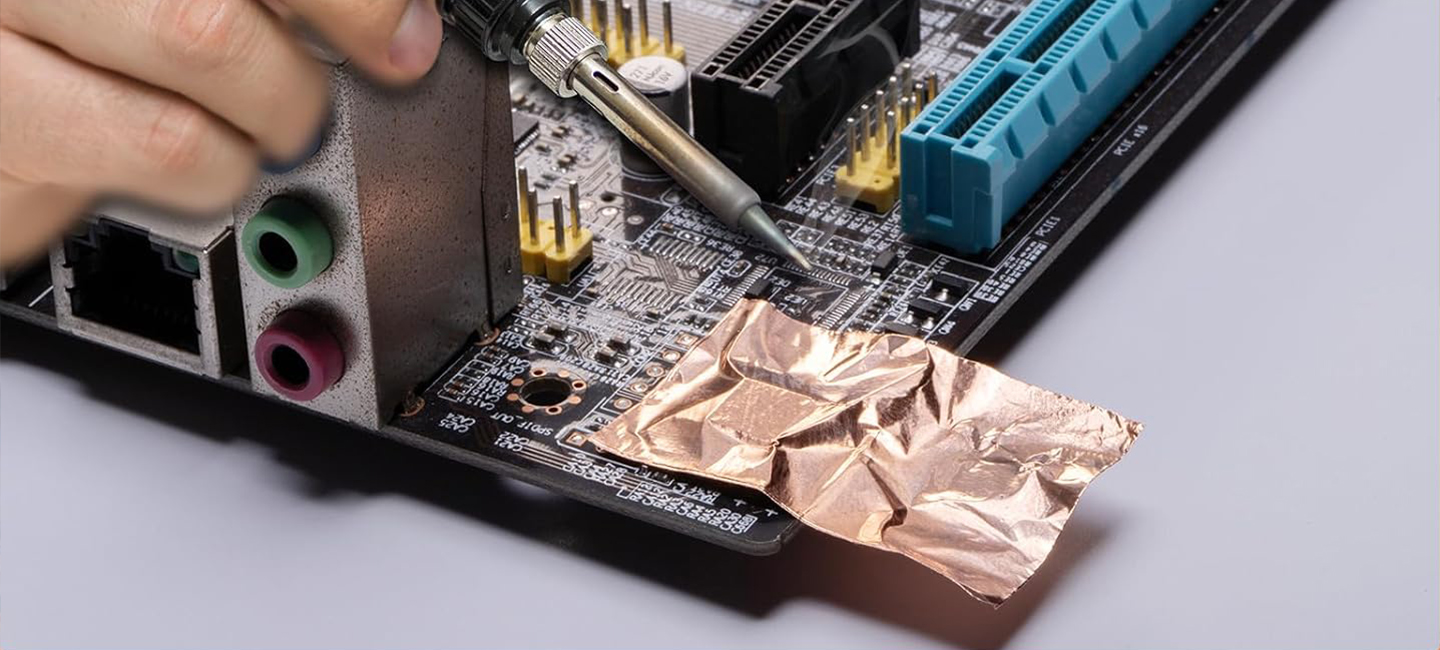
3. Surface Treatments & Coatings
Raw copper oxidizes and may not bond well. Therefore, foil almost always receives surface treatments:
◉ Bonding Treatment: A microscopic layer of nodules (often copper or zinc alloy) is electroplated onto the foil's "tooth side" (the rough side of ED foil) to mechanically lock into the PCB's resin (usually epoxy or polyimide).
◉ Anti-Tarnish / Barrier Coatings: A thin protective layer (e.g., zinc, nickel, chromium, or organic compounds like silane) is applied to prevent oxidation during storage and processing.
◉ Coupling Agents: Chemicals that improve the chemical bond between the copper and the substrate.
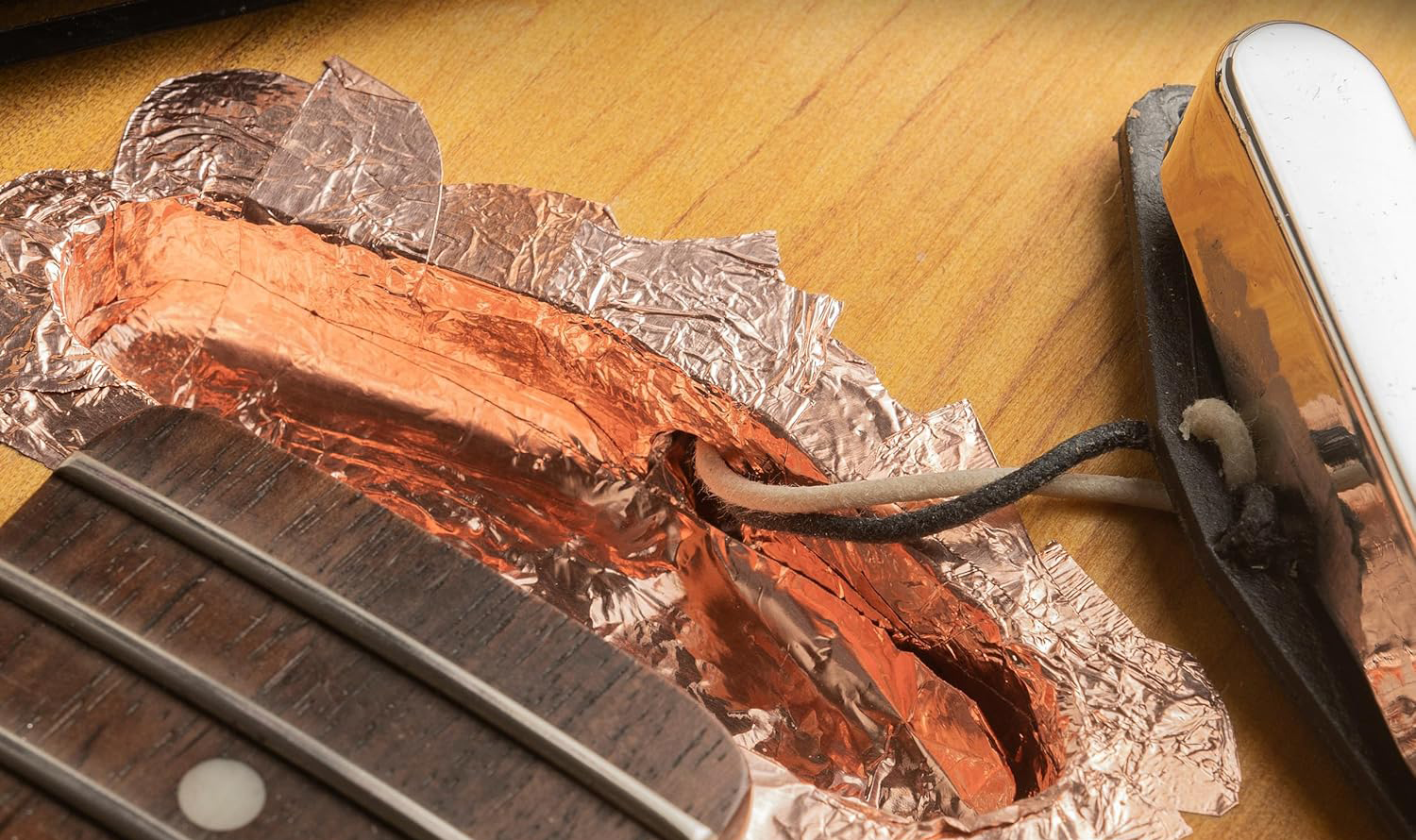
Key Applications Dictate the Formula:
◉ Printed Circuit Boards (PCBs): Uses ED foil with specific roughness and treatment for strong lamination and precise etching.
◉ Lithium-Ion Batteries: Uses ultra-thin, high-purity ED foil (as thin as 6 μm) as the current collector for the anode. Uniformity and purity are critical.
◉ Electromagnetic Shielding: Often uses RA foil for its flexibility, applied to enclosures or as tape.
◉ Arts, Crafts, and Decoration: May use lower-cost, untreated rolled copper foil.

In Summary:
Copper foil is fundamentally made of high-purity copper, but is engineered through precise manufacturing (Electrodeposited or Rolled) and surface treatments to create a specialized material with optimized properties for conductivity, strength, bondability, and oxidation resistance for its target application.
Our company not only produces Copper foil Tapes, but also Acrylic Foam Tape,Anti Slip Tape,Reflective Tape,Butyl Rubber Tape,Pavement Marking Tape, Glow In Dark Tape, etc,Looking forward to working with you.