

What are the rules for barricade tape?
Internationally, and particularly in the United States, the primary rules for barricade tape are defined by the ANSI/NEMA Z535.5 standard titled "American National Standard for Safety Tags and Barricade Tapes (for Temporary Hazards)".
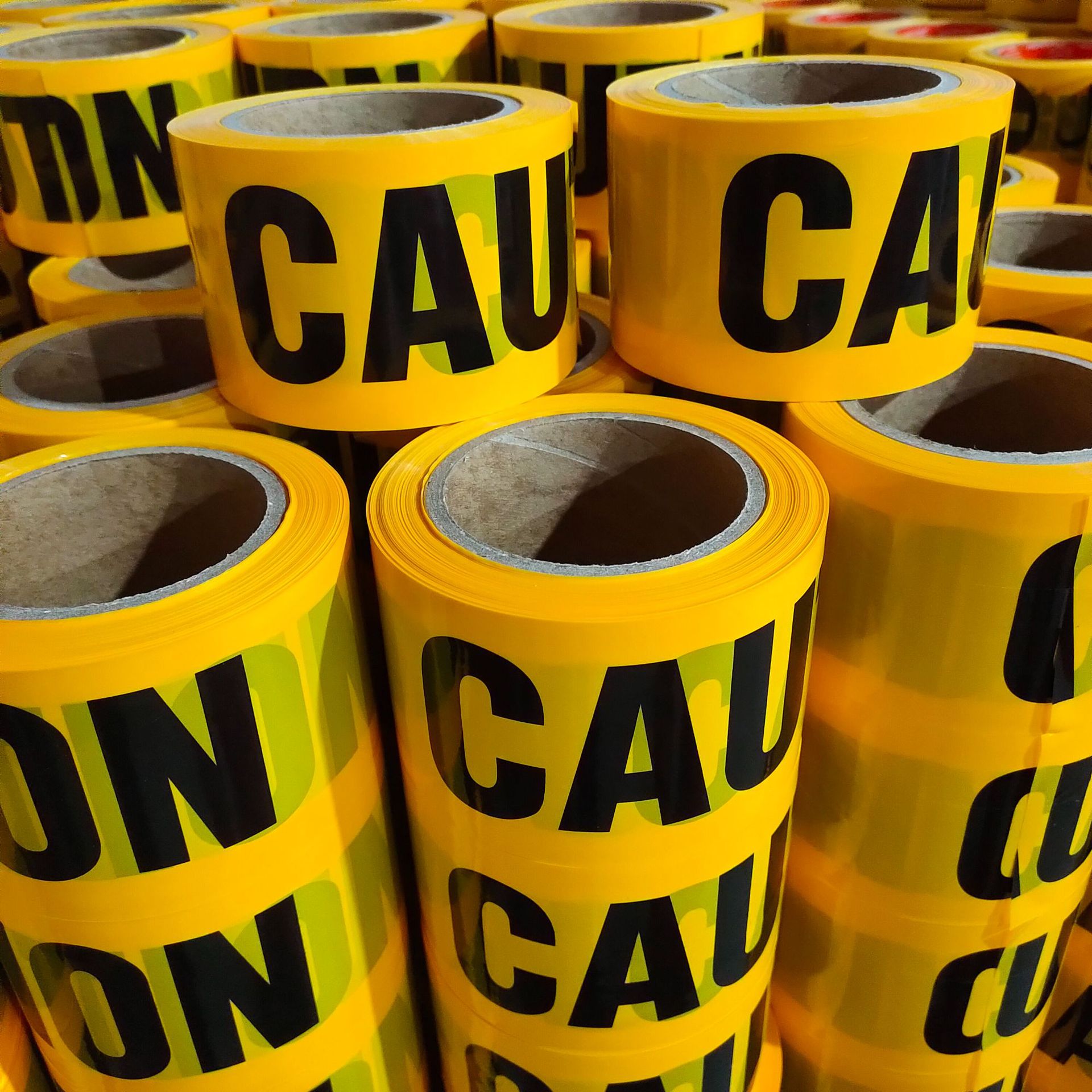
Standards and Key Rules
The core purpose of barricade tape is to mark temporary hazards that will be eliminated, such as areas under maintenance, chemical spills, or open trenches. It is not a substitute for permanent signage.
The standard establishes rules for a uniform and consistent visual system. Key aspects include:
◉ Color and Pattern Coding: The color and pattern of the tape convey the level of risk. While specific designs can vary, common conventions are:
| Tape Color / Pattern | General Meaning | Common Usage |
| Yellow and Black | Caution | Potential but non-lethal hazards, such as minor construction or wet floors. |
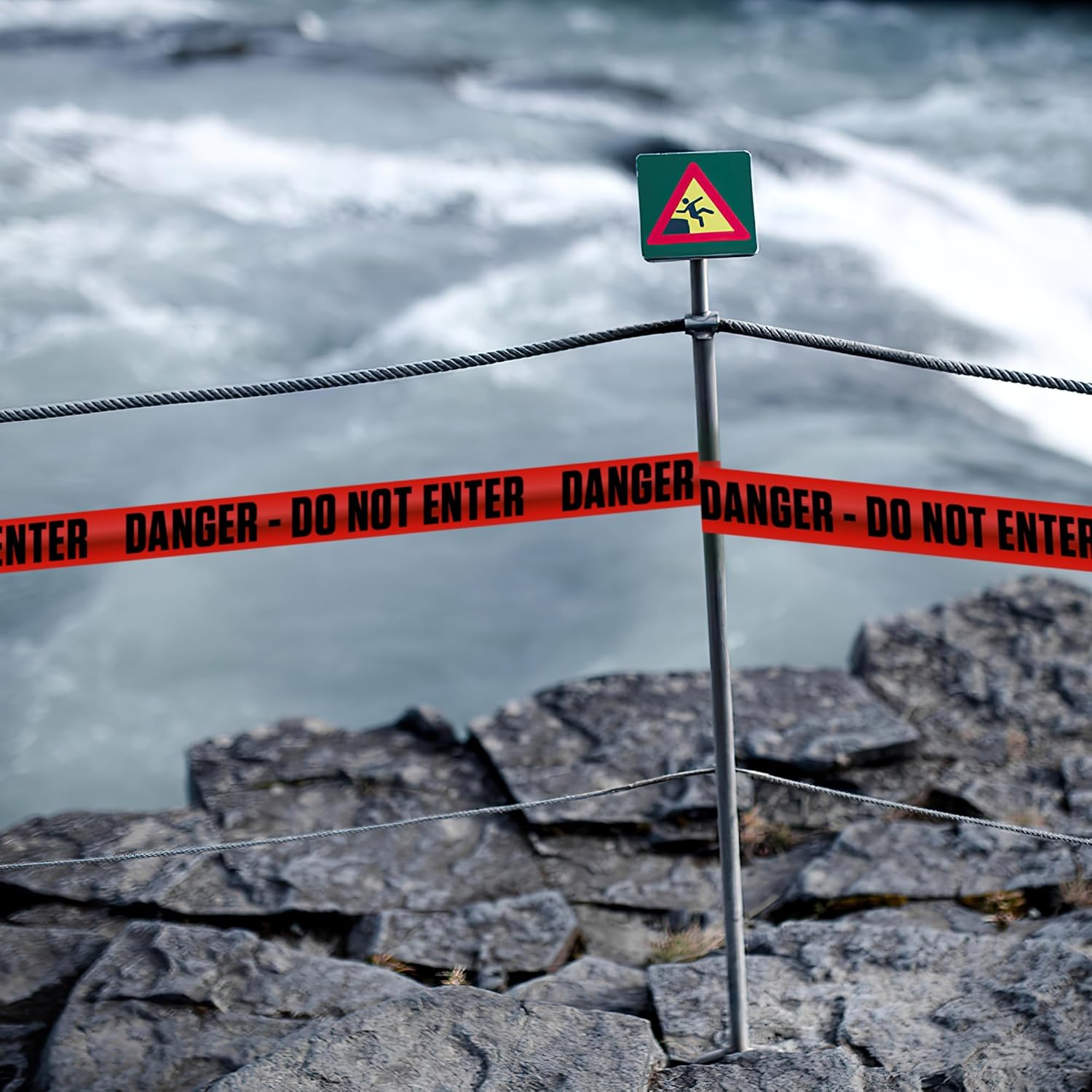
| Red and White or Red and Black | Danger | Immediate and serious hazards, such as live electrical work, open excavations, or fire zones. |
| Blue and White | Restricted Area | Often used by law enforcement to mark crime scenes or restricted areas. |
◉ Temporary Use Only: The tape must be removed once the temporary hazard is eliminated.
◉ Clear Messaging: The tape should have clear, bold text like "CAUTION," "DANGER," or "DO NOT ENTER" that is readable from a distance.
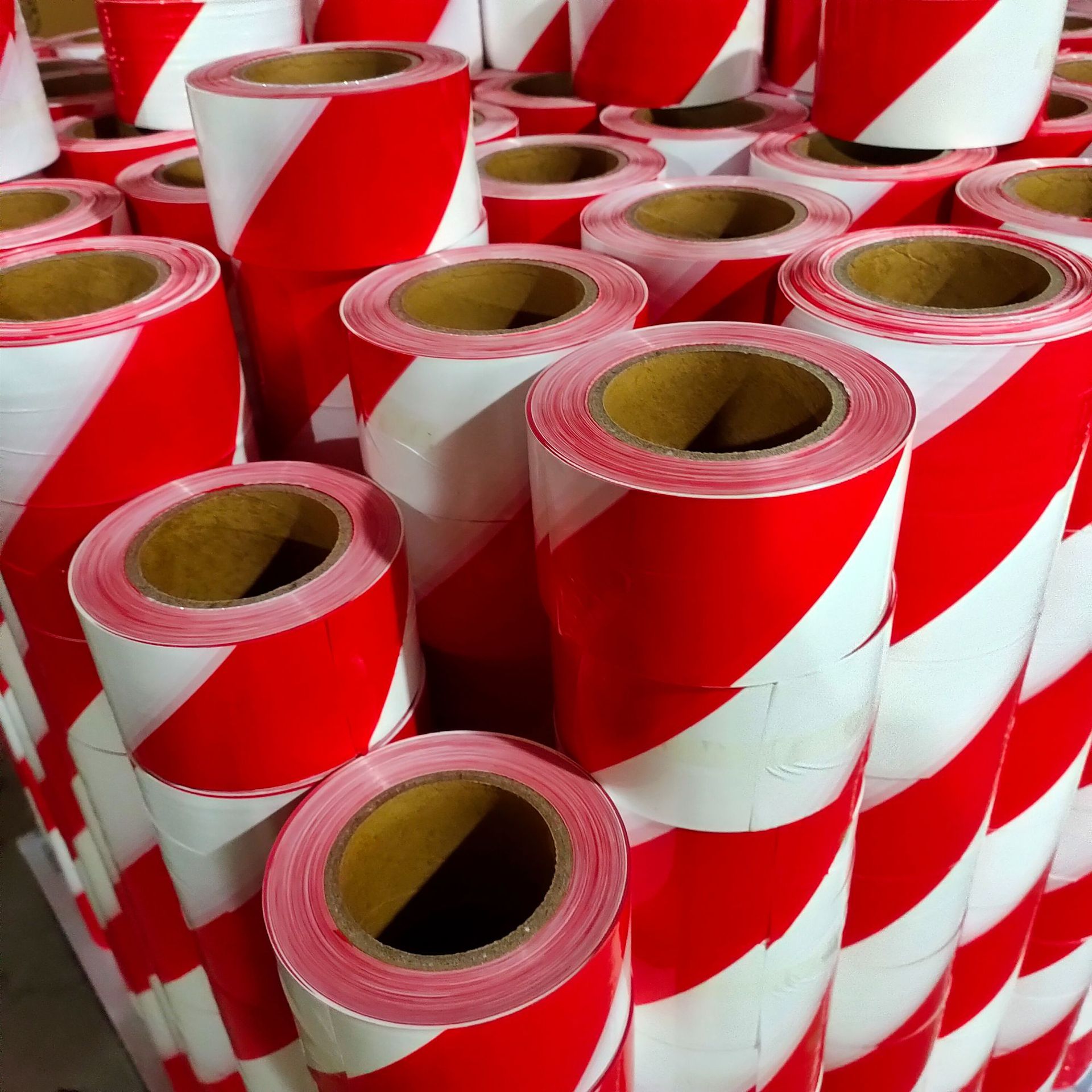
Technical and Material Specifications
Barricade tape is typically made from durable, weather-resistant plastics like polyethylene (PE) or polypropylene (PP) to withstand outdoor conditions. It is designed to be non-adhesive and is simply stretched or tied around a hazardous area. Standard rolls are often 3 inches (about 76 mm) wide and come in long lengths, such as 150 feet (45.7 m) or 1,000 feet (304.8 m).
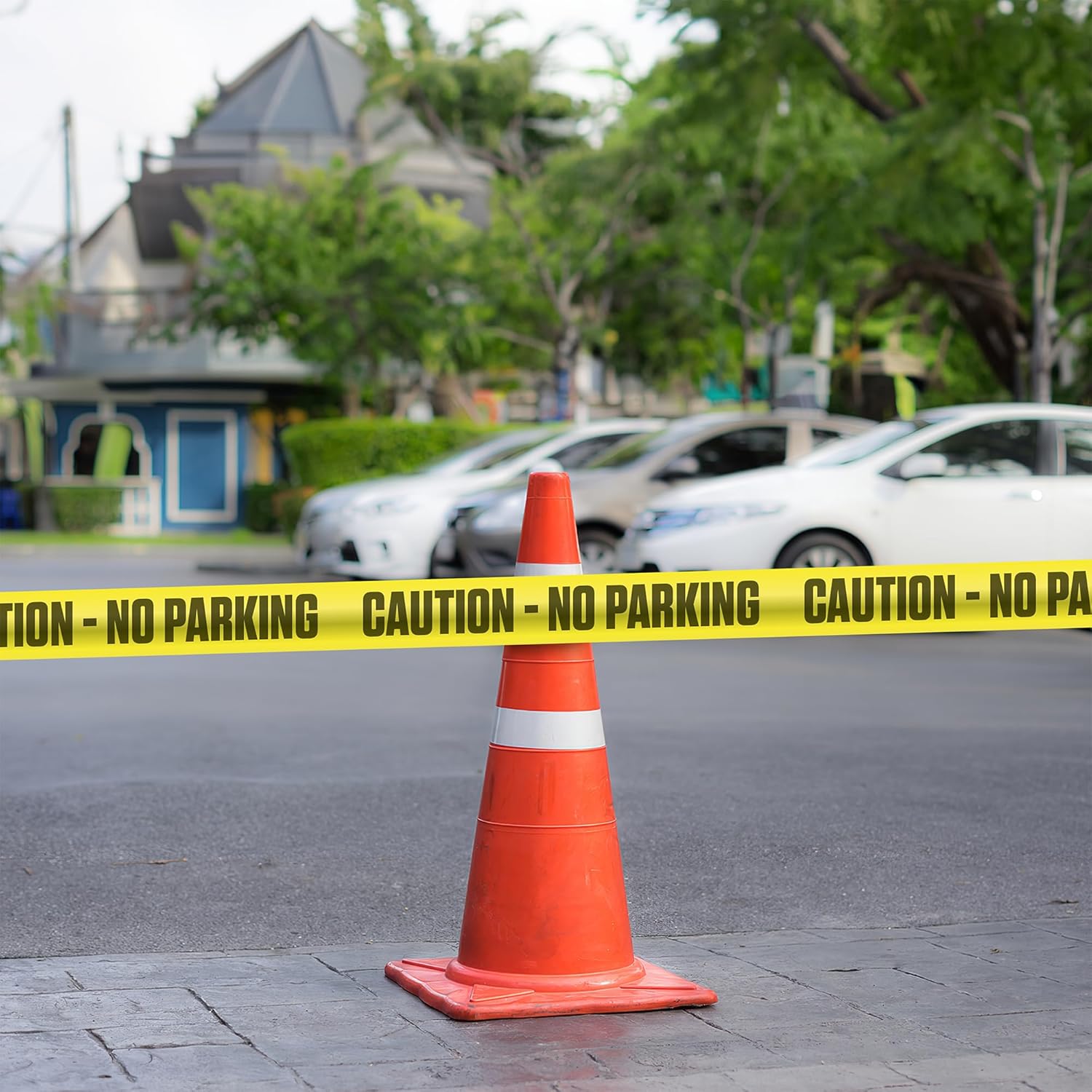
Practical Advice for Selection and Use
◉ Follow Local Regulations: Always check with your local "Authority Having Jurisdiction (AHJ)"—the organization or office that enforces safety regulations in your area—as they may have specific requirements
◉ Choose the Right Tape for the Hazard: Select the tape color and message that accurately reflects the level of risk
◉ Ensure High Visibility: For areas with low light or nighttime activity, consider tapes with reflective properties
◉ Inspect Before Use: Make sure the tape is in good condition, with legible text and no significant tears
I hope this information helps you understand the rules for barricade tape. If you have a specific application or industry in mind, I may be able to provide more targeted details.
Our company not only produces Caution Tape, but also Acrylic Foam Tape,Anti Slip Tape,Reflective Tape,Glow In Dark Tape,Pavement Marking Tape,Aluminum Foil Tapes, etc,Looking forward to working with you.