

How to remove PE foam tape?
Of course. Removing PE (Polyethylene) foam tape, like the very strong Jerrytape VHB tape, can be tricky because it's designed to hold permanently. However, with the right technique and a little patience, it can be done safely without damaging the surfaces.
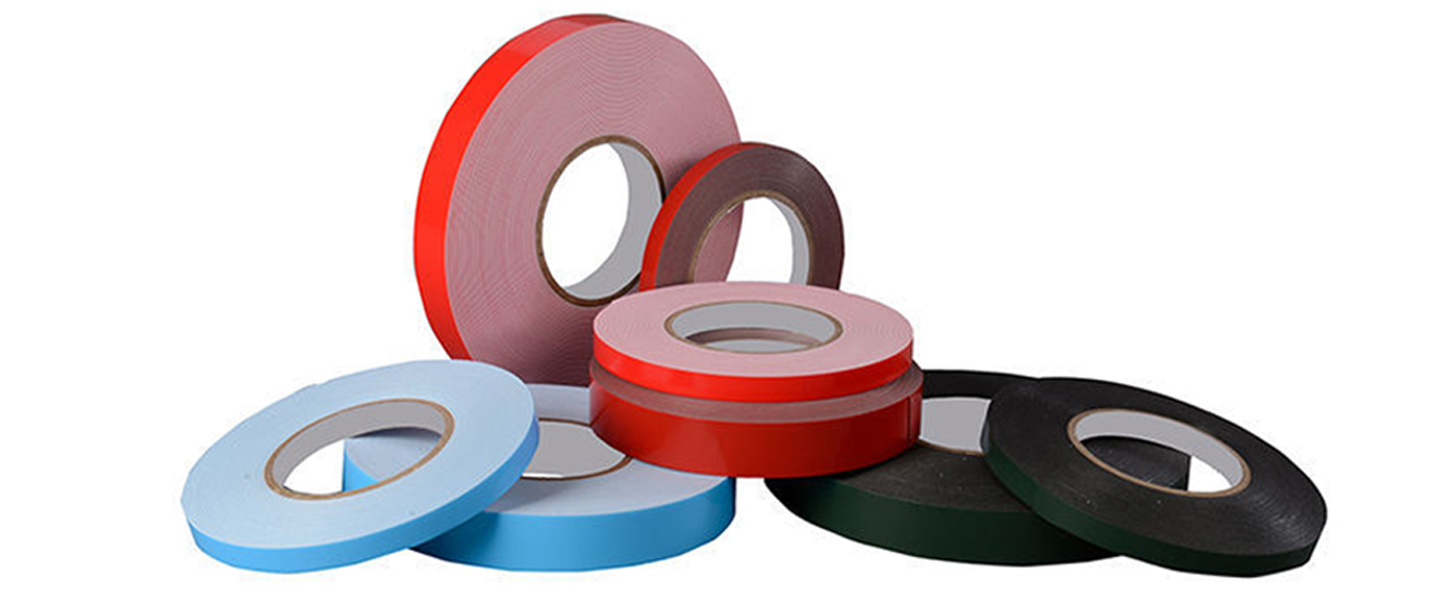
Here is a comprehensive guide, starting with the gentlest methods and moving to more aggressive approaches.
Golden Rules for Removal:
Patience is Key: Rushing this process will likely lead to broken brackets, damaged paint, or leftover residue.
Test First: Always test any chemical (rubbing alcohol, goo gone) on an inconspicuous area first to ensure it doesn't damage or discolor the surface.
Heat is Your Best Friend: Applying heat is the most effective way to soften the adhesive and make the tape much easier to remove.
Method 1: The Primary Technique (Heat and Slow Pull)
This is the recommended method for most situations, especially for removing tape from painted walls, metal, or glass.
What You'll Need:
◉ Hair dryer or heat gun (a hair dryer is safer for beginners)
◉ Fishing line, dental floss, or a thin, non-abrasive plastic pry tool
◉ Rubbing alcohol (isopropyl alcohol) or an adhesive remover like "Goo Gone"
◉ Microfiber cloth or paper towels
◉ Patience!
Step-by-Step Instructions:
1. Apply Heat: Warm the tape and the area around it with your hair dryer on a medium-high setting. Keep the dryer moving to avoid overheating and damaging one spot. Heat for 1-3 minutes. The goal is to make the tape warm and pliable to the touch—not scorching hot.
2.Slowly Pry an Edge: Try to get a fingernail or a plastic pry tool under one corner of the foam tape. If you can't, use your fishing line or dental floss.
◉ Using Floss/String: Slide the floss behind the object you're removing (e.g., a mirror hook). Use a slow, gentle sawing motion back and forth, working your way across. The heat will have softened the adhesive, allowing the floss to glide through it.
3.Slow and Steady Pull: Once you have an edge lifted, pull slowly and steadily at a low angle (almost parallel to the surface). The goal is to stretch the tape rather than rip it off.
◉ The "Stretch" Method: As you pull, the tape will form a long stretchy string. Keep pulling slowly until the entire piece releases. If it gets hard to pull, apply more heat to the remaining tape and continue.
4.Remove Adhesive Residue: You will almost always have some sticky adhesive left behind.
◉ Apply more heat to the residue to soften it.
◉ Soak a cloth in rubbing alcohol or adhesive remover and press it against the residue for 30-60 seconds to let it soak in.
◉ Wipe away the residue. It should come off easily. For stubborn bits, you can gently scrape with a plastic scraper or your fingernail.
5.Clean the Surface: Once all residue is gone, wipe the area clean with soapy water or a household cleaner to remove any remaining chemical solvent.

Method 2: For Stubborn Residue or Sensitive Surfaces
If the tape itself is gone but you're left with a thick, stubborn layer of adhesive.
What You'll Need:
◉ Adhesive remover (commercial products like Goo Gone, Uni-Solve, or 3M Adhesive Remover are best)
◉ Plastic scraper or an old credit card
◉ Microfiber cloth
Instructions:
1.Apply the adhesive remover according to the product instructions. Usually, you apply it directly to the residue and let it sit for a few minutes to dissolve the glue.
2.Gently scrape the gooey residue with the plastic scraper or credit card.
3.Wipe the area clean. You may need to repeat the process for very thick residue.
4.Clean the area with soap and water afterward.
Important Considerations and Warnings
Painted Walls: Be extremely careful. Too much heat can blister paint, and aggressive scraping can peel it. Always use heat gently and pull slowly. The "stretch" method is safest for painted surfaces.
Drywall: If the tape was holding something heavy, it might tear the paper surface of the drywall when removed. Go as slowly as possible.
Plastic or Delicate Surfaces: Avoid harsh chemicals that can cause cracking or clouding. Test first! Isopropyl alcohol is usually safe for most plastics. Avoid using acetone or nail polish remover on plastics, as it can melt them.
What NOT to Do:
◉ Don't use a razor blade on a painted or soft surface without extreme care; you will scratch it.
◉ Don't yank or pull abruptly straight out. This will almost guarantee that the tape snaps and leaves residue or damages the wall.
◉ Don't use abrasive pads (like Scotch-Brite) on glossy or finished surfaces, as they will leave permanent scratches.
Our company not only produces Acrylic Foam Tape, but also Caution Tape,Anti Slip Tape,Reflective Tape,Glow In Dark Tape,Pavement Marking Tape,Aluminum Foil Tapes, etc,Looking forward to working with you.